Fall Fungicide Schedules to Protect Palmetto St. Augustine Sod
Taking care of a new lawn in the fall requires more than just regular watering. The cooler nights and lingering daytime heat create the perfect environment for turf diseases to wipe out your investment. At The Sod Source we see plenty of property owners struggle with brown patch simply because they miss the proper treatment window. Getting ahead of fungus issues guarantees your grass establishes deep roots before the winter weather arrives.
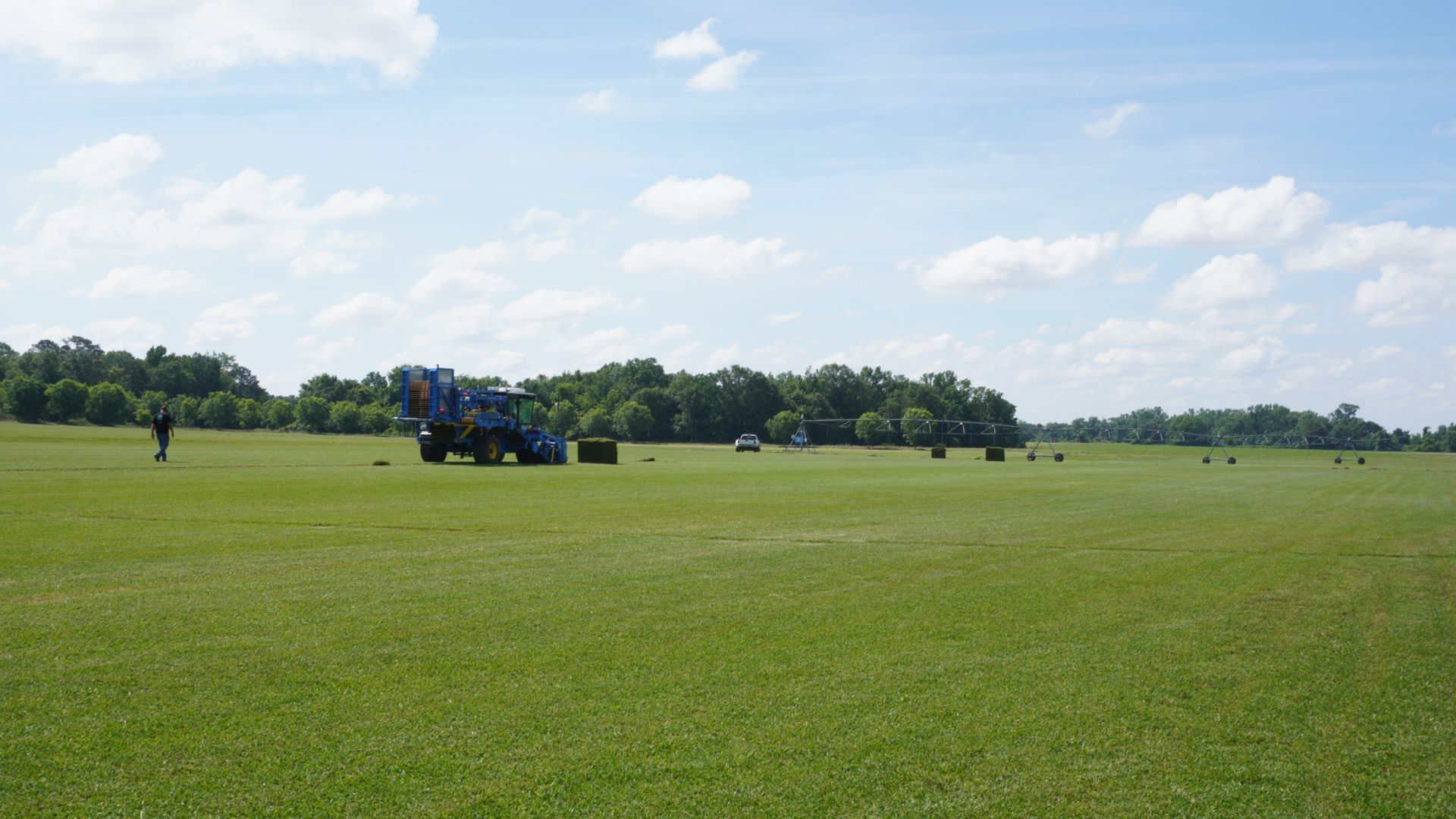
We supply Palmetto St. Augustine sod directly from our farm to your yard. This specific turf is incredibly resilient and handles the heavy Georgia heat well but it does require strict attention during the autumn transition. A proactive fungicide schedule stops turf disease from eating through the root system. Following a clear maintenance guide ensures your property in Atlanta stays green and healthy all season long.
Inside This Guide
- Immediate Aftercare for Fresh Rolls
- When should I apply Daconil to newly laid St. Augustine grass
- Ongoing Maintenance Habits for Disease Prevention
- Most Common Maintenance Mistakes
- Signs Professional Attention is Needed Again
- Keep Your Lawn Healthy
Immediate Aftercare for Fresh Rolls
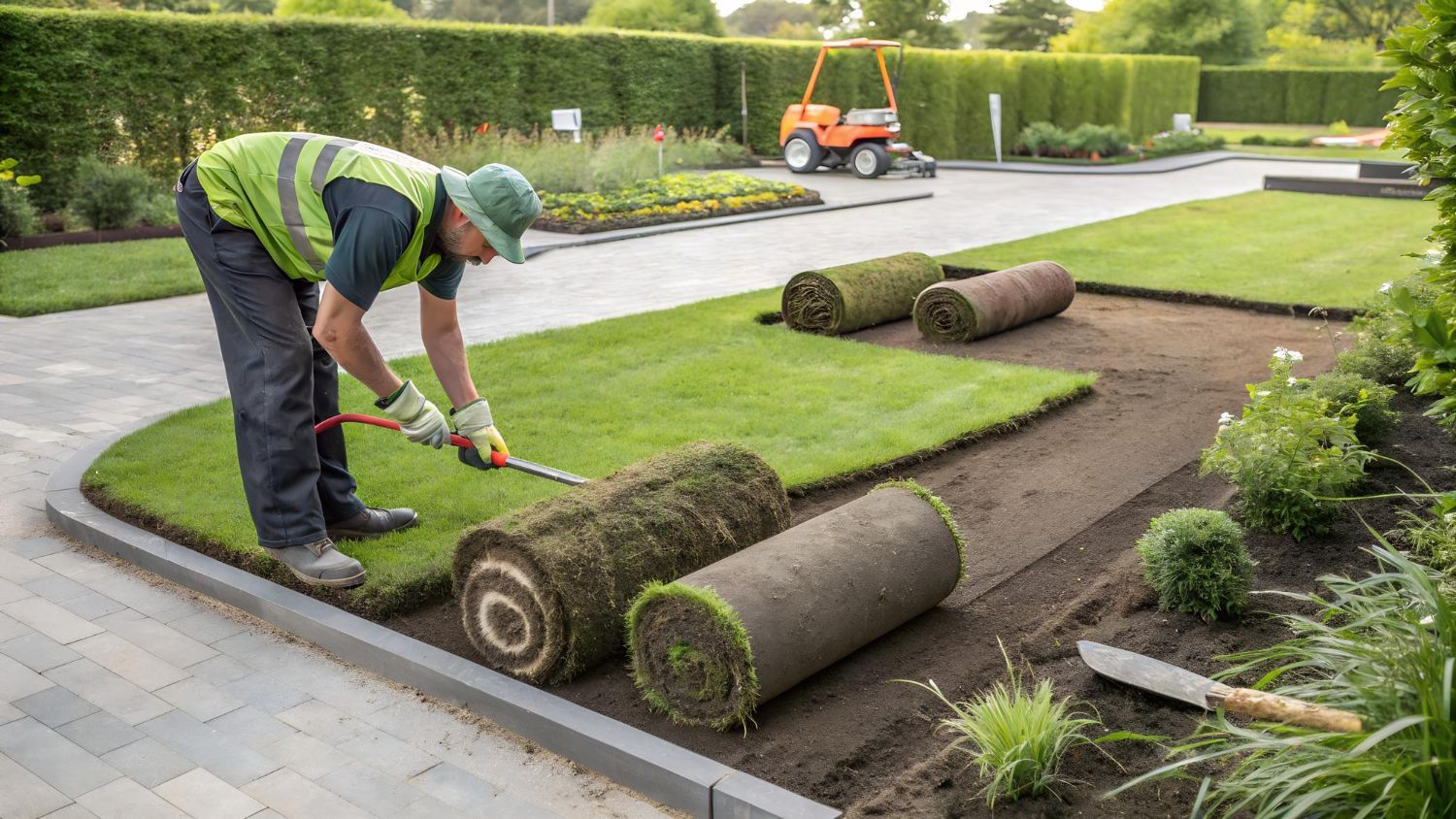
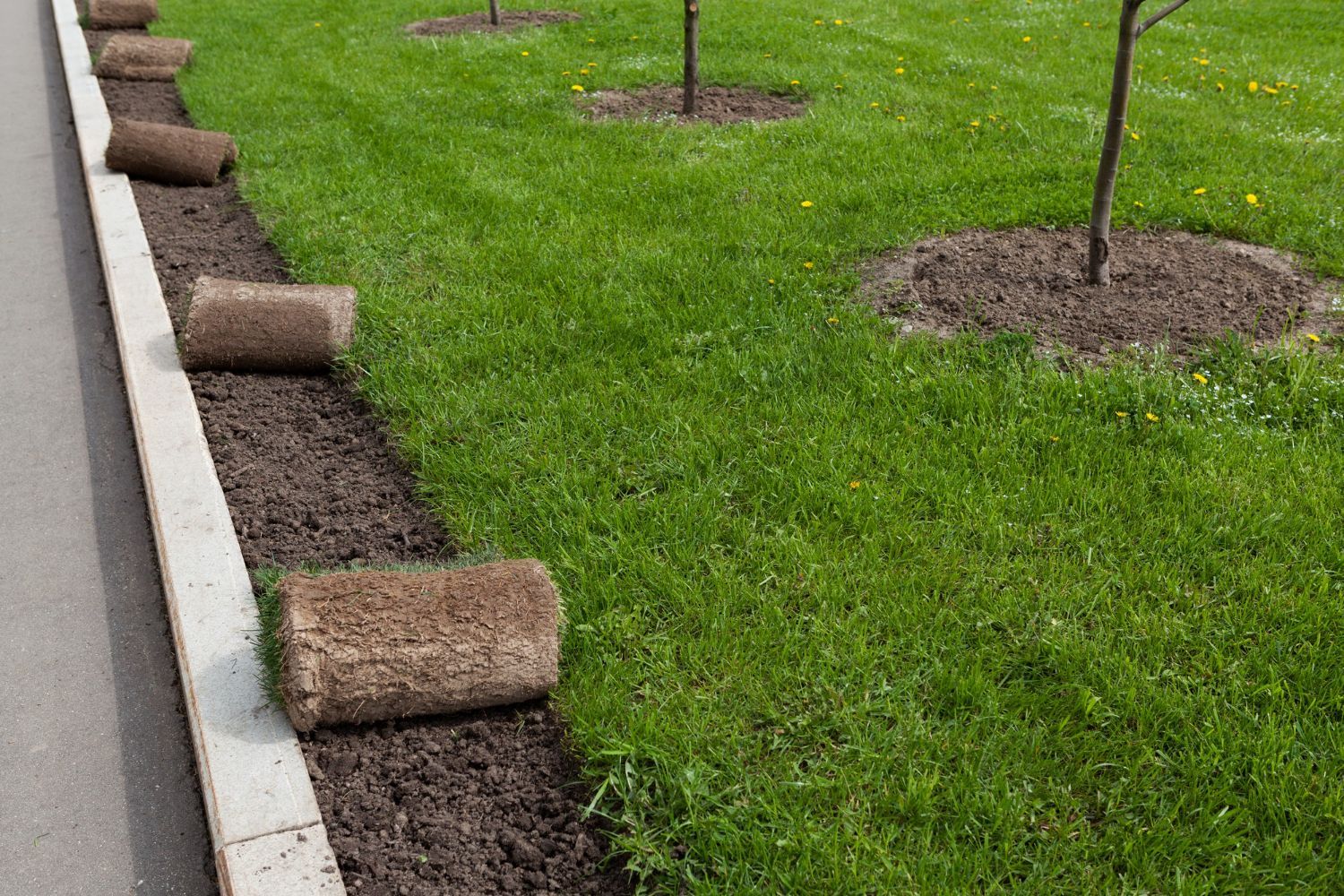
Laying new turf means you need to lock in a watering schedule right away. The soil must remain damp to encourage the roots to tack down into the dirt.
- Daily Soaking: Apply water every afternoon to ensure the soil stays wet three to four inches deep.
- Traffic Control: Keep heavy foot traffic and pets off the fresh rolls so the roots are not disturbed.
- Edge Inspections: Check the seams of the rolls daily to make sure they are not drying out and shrinking.
When should I apply Daconil to newly laid St. Augustine grass
You need to apply a preventative treatment of Daconil about two weeks after installation once the roots begin to grab the soil. Applying it too early can stress the fragile new blades but waiting until you see brown spots means the fungus is already active. Monthly preventative applications during the fall months keep the turf strong and disease free.
Ongoing Maintenance Habits for Disease Prevention
Preventing lawn disease requires a consistent routine that balances moisture and soil health. Proper ongoing care stops fungal spores from multiplying in the thatch layer.
- Soil Testing: Check your soil pH levels in early fall to ensure they remain neutral to alkaline.
- Proper Mowing: Cut your grass at a height of one and a half to two and a half inches to promote airflow.
- Morning Watering: Shift your irrigation schedule to the early morning hours so the blades dry completely by sunset.
This is a pattern the team at The Sod Source hears regularly from clients dealing with turf maintenance.
► Client Experience: JT Roig shared "For those who don't know how to care for St Augustine, it definitely needs more maintenance than other grasses, especially regular antifungal and pesticide treatment during hot and humid periods, but with minor care and use of good weed control products like Blindside or Atrizine and you have a shade tolerant, cold tolerant, high heat and drought tolerant grass that stays green from March through December with minimal weeds."
JT Roig highlights exactly why following a structured maintenance and antifungal routine leads to a vibrant yard year round.
Most Common Maintenance Mistakes
Failing to adjust your habits for the fall season is the fastest way to ruin a new lawn. Avoiding these basic errors saves you time and money.
• Overwatering: Leaving the ground soggy overnight invites massive fungal outbreaks.
• Nitrogen Overload: Applying heavy nitrogen fertilizers late in the season forces soft growth that is highly vulnerable to disease.
► The single most important maintenance fact is that ignoring early signs of yellowing will allow brown patch to spread across your entire lawn in less than a week.
Signs Professional Attention is Needed Again
Sometimes a fungal issue spreads faster than over the counter products can handle. You need to know when to call a professional before the damage becomes permanent.
- Rapid Browning: Noticeable expanding circles of dead grass require immediate commercial grade fungicide.
- Spongy Turf: Ground that feels exceptionally soft and holds standing water points to severe drainage failure.
- Root Detachment: Grass blades that pull up easily with no root resistance mean rot has completely taken over the subsoil.
Keep Your Lawn Healthy
Protecting your yard from autumn fungus takes discipline and the right treatment schedule. Stick to these maintenance steps and your property will thrive even during the dampest months. Reach out to our team today to get the best advice on treating your specific turf variety.