Honest Wear Tolerance Expectations for Tifway 419 Bermuda Sod
Rebuilding a sports field or high traffic park area requires materials that can take a serious beating. Property managers often rush the recovery process and ruin their new investment by opening the gates too early. At The Sod Source we believe in giving our clients the unvarnished truth about how turf actually behaves under mechanical stress. You need realistic timelines to ensure your athletic facility remains safe and functional for the entire season.
Tifway 419 Bermuda® sod is legendary for its durability but it is not invincible the moment it hits the dirt. The grass must establish a deep network of roots before it can absorb the shearing forces of cleats and heavy equipment. We supply this exact turf to commercial sites across Columbus because it recovers aggressively from damage once fully anchored. Setting honest expectations with your grounds crew prevents premature wear and protects your infrastructure budget.
Inside This Guide
- The Truth About Immediate Playability
- Overestimating Drought Recovery Speeds
- How Compaction Impacts Surface Longevity
- Frequently Asked Questions
The Truth About Immediate Playability
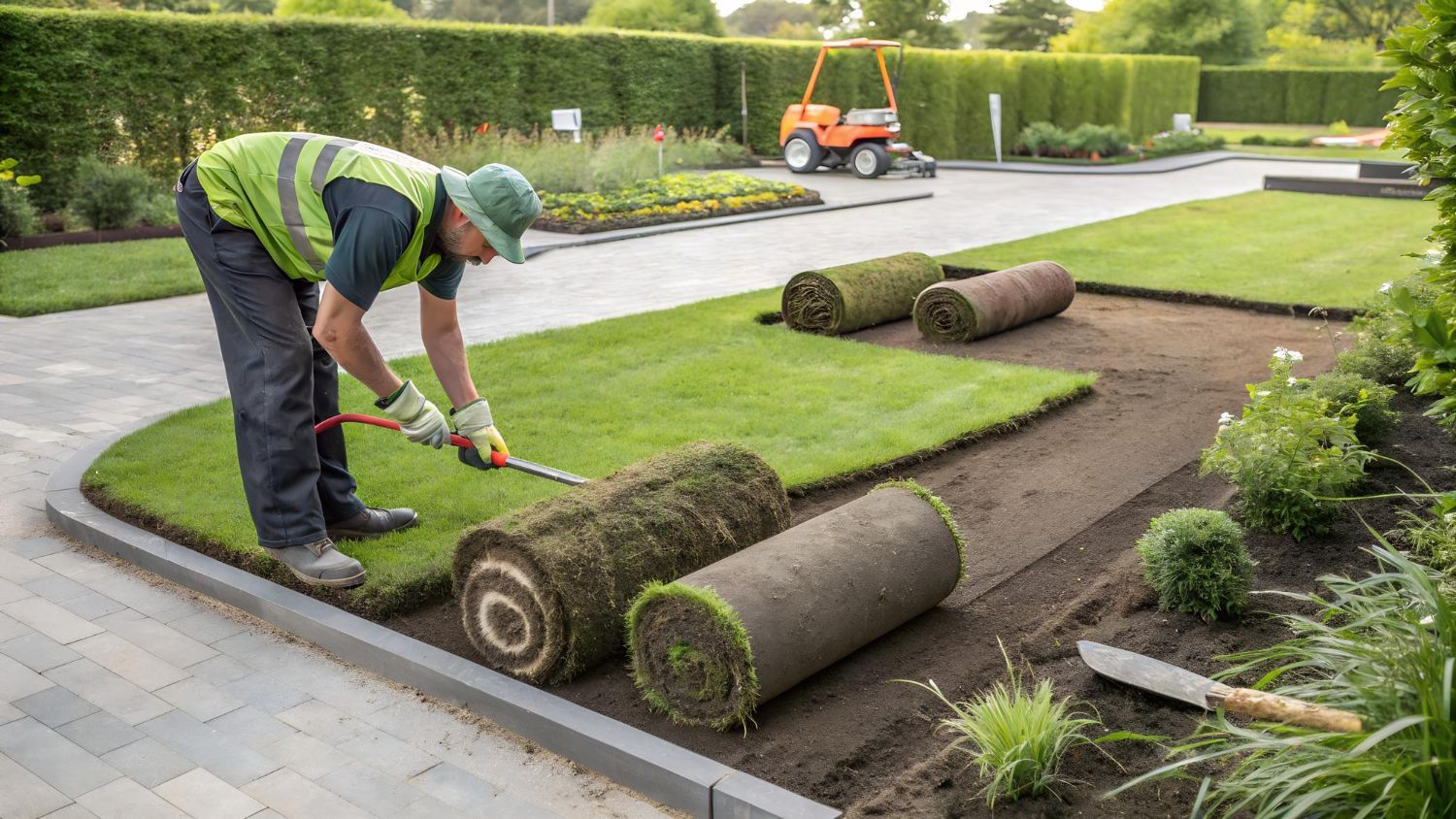
Many facility directors assume that once the grass is green it is ready for a football game. The reality is that the top canopy looks perfect long before the underground roots are strong enough to hold the soil together. If you allow heavy athletic use during the first three weeks the grass will literally tear away from the ground in large chunks. You must keep all traffic off the surface until a physical pull test proves the roots have securely fastened to the subgrade.
→ From a professional standpoint: Rushing the reopening of a sports field guarantees you will be paying for costly patch repairs before the season even hits the halfway mark.
Overestimating Drought Recovery Speeds
Bermuda grass is famous for its heat tolerance but it still relies on consistent moisture to heal from physical damage. A common mistake is assuming that mature Tifway 419 requires zero irrigation during a dry spell. While the grass will survive a drought by going into early dormancy it will completely stop repairing the divots and wear patterns left by athletes. You must maintain a strict watering schedule during dry weeks if you want the field to remain safe and level for gameplay.
→ A quick tip to remember: Deep and infrequent watering trains the roots to dive deeper which naturally increases the mechanical shear strength of the entire field.
How Compaction Impacts Surface Longevity
Heavy foot traffic literally crushes the air pockets out of the top layer of dirt over time. When the soil becomes as hard as concrete the grass roots cannot breathe or absorb the fertilizers you apply. Even the toughest Bermuda turf will thin out and die if it is growing on a totally compacted surface. You have to schedule aggressive core aeration at least twice a year to physically break up the hardpan and let oxygen back into the root zone.
Frequently Asked Questions
Why does sports turf take longer to anchor than standard residential lawns?
Athletic fields are usually built on highly engineered sand bases to ensure rapid drainage during rainstorms. Sand provides zero natural stability so the roots have to work twice as hard to weave together and create a solid mat. This means the overall establishment period is longer compared to laying grass on heavy Georgia clay.
How do heavy rains affect newly installed Bermuda 419 rooting speeds?
Massive downpours wash away the starter fertilizers and create muddy conditions that suffocate young roots. If the ground remains totally saturated the grass stops pushing downward and focuses entirely on surviving the surface flood. You have to turn off all automated irrigation systems after a heavy rain to let the soil profile breathe and recover.
When is it actually safe to resume athletic practices on fresh sod?
You should wait an absolute minimum of four weeks before allowing any organized sports on a newly sodded field. The only true indicator is physically grabbing a handful of grass and pulling straight up with heavy force. If the turf lifts off the dirt at all you must keep the field closed for another week of growing time.
Plan Your Field Restoration
Managing a high use athletic surface requires durable grass and a disciplined approach to maintenance. Team up with a farm that understands the mechanical demands of commercial turf management. Contact our office today to secure the heavy duty grass your facility needs.