The Truth About Weed Suppression in Emerald Zoysia Sod Lawns
Many property owners assume that installing a premium turfgrass automatically creates an impenetrable barrier against weeds. They expect a completely maintenance free yard from the moment the pallets are unloaded. At The Sod Source we believe in setting honest expectations about how natural ground cover actually functions in the real world. A healthy lawn is highly resistant to invasive plants but it is not a magical shield.
Emerald Zoysia® sod is incredibly dense and does a fantastic job of choking out competing vegetation once it is fully established. However the initial rooting phase leaves the dirt vulnerable to airborne seeds and dormant weeds lurking in your topsoil. Property owners in Savannah and across the state must actively manage their yards during the first few months to realize the full benefits. Understanding the biological realities of your new grass prevents frustration and protects your landscaping investment.
What We Cover Today
- The Limits of Natural Weed Choking
- Overestimating Initial Herbicide Resistance
- Realistic Timelines for Complete Establishment
- Frequently Asked Questions
The Limits of Natural Weed Choking
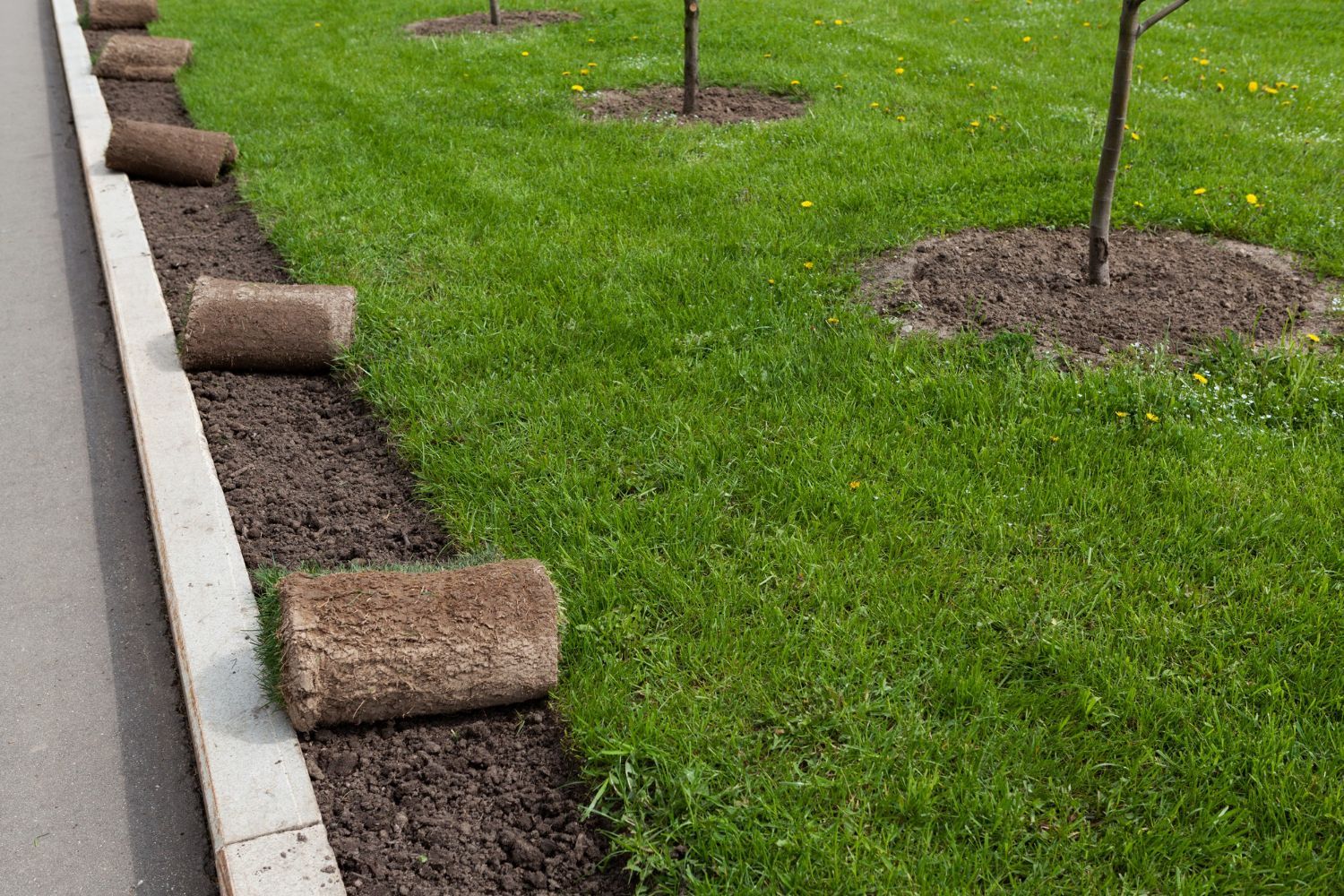
A mature zoysia lawn grows thick enough to block sunlight from reaching weed seeds at the soil level. This natural canopy is your best defense against common yard pests like crabgrass and dandelions. But when you first lay the rolls there are inevitable seams between the pieces where dirt is exposed. These tiny gaps are prime real estate for opportunistic weeds to sprout before the grass knits together.
→ From a professional standpoint: You must manually pull early weeds that pop up in the seams to prevent them from outcompeting the fresh turf roots.
Overestimating Initial Herbicide Resistance
One of the biggest mistakes landscapers make is spraying harsh chemical weed killers on newly laid grass. People overestimate the chemical tolerance of fresh turf and assume they can treat it like a mature lawn. Applying heavy herbicides during the first six weeks will severely stunt root development and can easily burn the sensitive new blades. You have to rely on proper watering and mowing habits to suppress weeds during this critical early window.
This is something clients notice firsthand when they upgrade to a premium dense variety.
► Client Experience: Carlie Varnum shared "The best grass that I’ve purchased! St. Augustine did great at the first house. This time around I got Zion and boy does it make a difference! 10/10 great delivery!"
Carlie highlights how choosing a naturally aggressive variety significantly changes the overall performance and density of the lawn.
Realistic Timelines for Complete Establishment
Achieving that flawless carpet look takes patience and consistent seasonal care. Your new grass needs a full growing cycle to completely lock its roots deep into the soil and spread across the seams. Expecting total weed immunity in the first month is a setup for disappointment. Once the lawn survives its first season and you maintain a strict fertilization schedule the aggressive spreading nature of the zoysia takes over.
→ A quick tip to remember: Keeping your mower blades sharp and cutting at the correct height encourages horizontal spreading which naturally crowds out invasive weeds.
Frequently Asked Questions
Why does newly laid zoysia grass still require heavy watering in October?
Even as the air cools down the grass roots are actively working to anchor themselves into the dirt before winter dormancy sets in. Dry autumn winds pull moisture rapidly from the shallow soil layer where the new roots live. Skipping your irrigation schedule causes the rolls to shrink leaving wider gaps for winter weeds to invade.
Can autumn wind cause fresh sod rolls to dry out prematurely?
Yes because constant wind accelerates evaporation from the grass canopy and the exposed seams. If the soil underneath dries completely the roots will die back and the edges of the rolls will turn brown and crispy. Maintaining a deep watering routine protects the grass from wind desiccation and keeps the root zone stable.
How do you measure soil moisture accurately during cooler weather?
You cannot rely on just looking at the surface because the top layer might appear dry while the root zone is actually soaking wet. Pushing a long screwdriver into the dirt is a simple and effective trade trick. If the metal slides in easily the soil is adequately moist but if you hit hard resistance it is time to run the sprinklers.
Protect Your Landscape Investment
Achieving a weed resistant lawn requires a combination of premium grass and realistic maintenance expectations. Partner with a local farm that gives you the straightforward advice needed to succeed. Contact our team today to secure the best turf for your property.