Late Season Lawn Recovery: Reviving Your Turfgrass After Heavy Use
After a long season of neighborhood barbecues, intense outdoor sports, and kids running through the sprinklers, your once-pristine Georgia lawn might be showing severe signs of exhaustion. Late in the season, high-traffic areas often suffer from soil compaction, thinning grass blades, and unsightly bald patches. While premium varieties like Emerald Zoysia and Bermuda 419 boast incredible injury recovery, even the toughest turf requires strategic intervention after months of heavy abuse. At The Sod Source, we want your lawn to look beautiful any time of the year. Here is your expert guide to late-season lawn recovery and restoration.
Assessing the Damage and Relieving Compaction
The first step in reviving your turf is identifying the root cause of the decline. In high-traffic zones, the underlying issue is almost always soil compaction. When the earth is repeatedly trampled, the soil particles are pressed tightly together, squeezing out vital oxygen and making it impossible for water and fertilizer to reach the root system.
To breathe life back into a compacted lawn, you must aerate:
- Rent a core aerator to pull small plugs of soil out of the ground, which instantly breaks up the hardpan layer.
- Ensure you aerate when the soil is slightly moist, as trying to aerate bone-dry, hard clay is ineffective and damages the equipment.
- Leave the soil plugs on the lawn to naturally decompose; this recycles valuable nutrients back into the earth.
- Immediately following aeration, apply a balanced, slow-release fertilizer to allow nutrients to drop directly into the root zone.
The Ultimate Quick Fix: Patching with Premium Sod
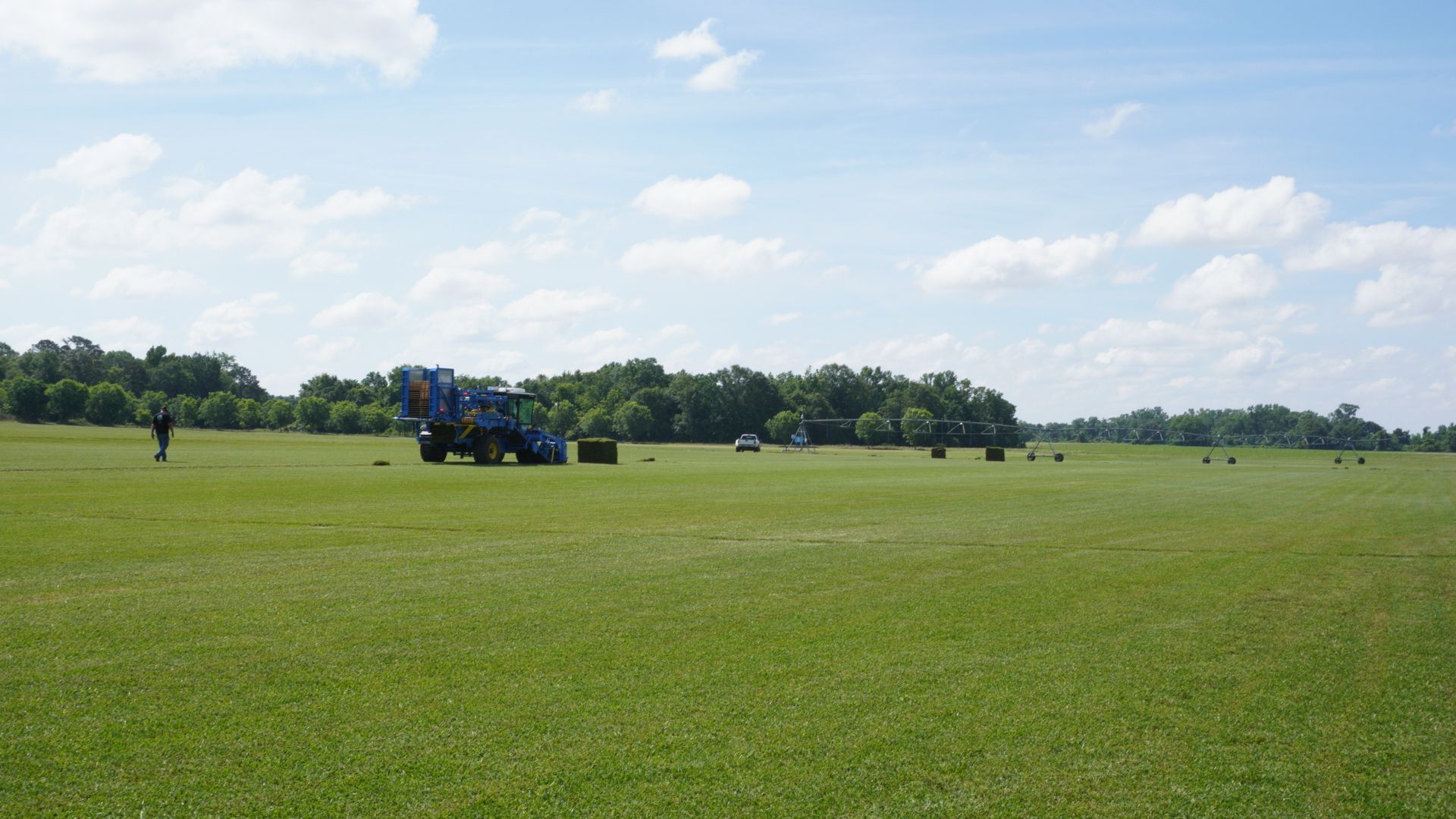
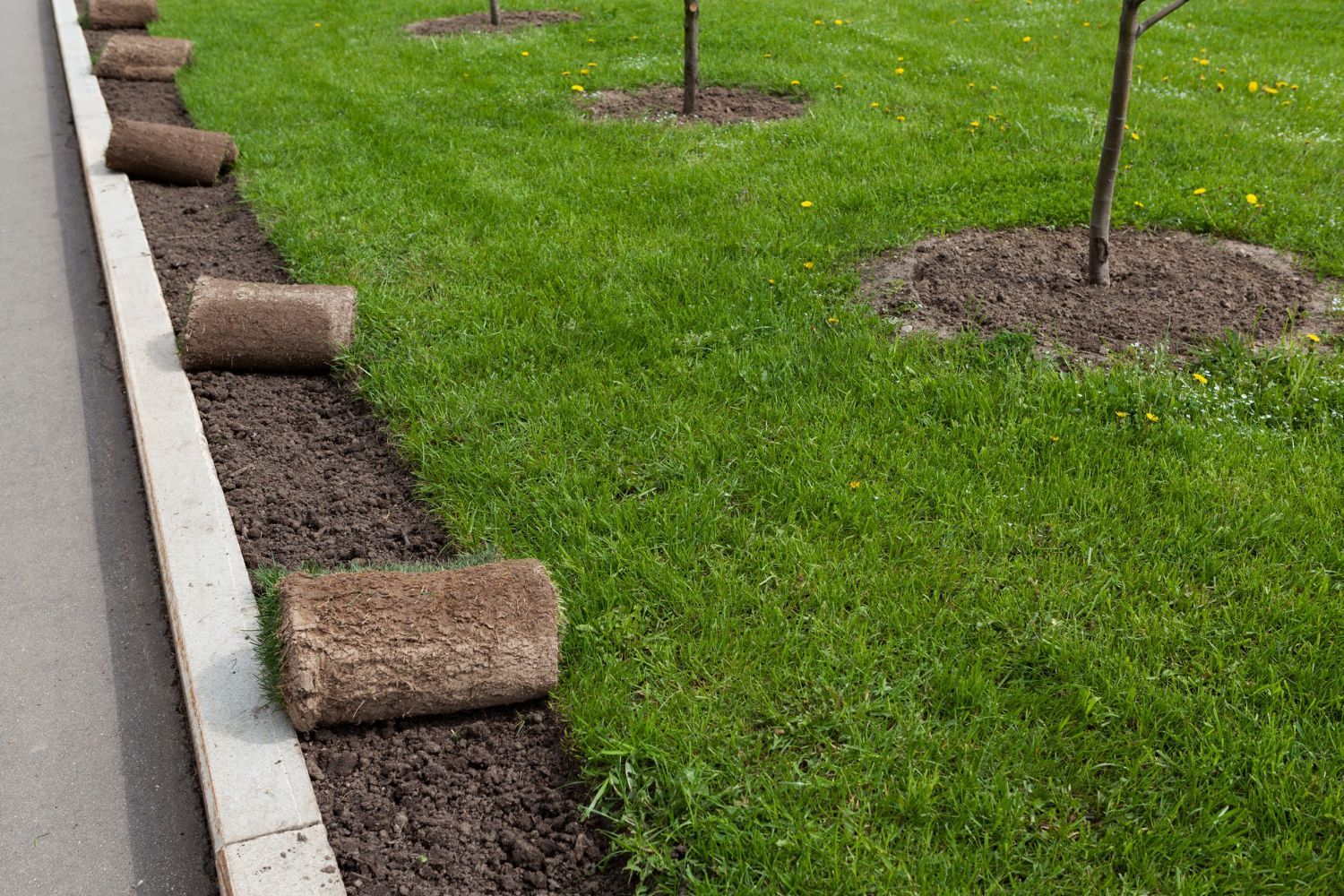
While aeration and fertilization will help living grass recover, these methods will not magically regrow grass in completely dead, barren patches. Attempting to throw grass seed onto these bald spots late in the season is a frustrating endeavor that rarely yields matching results. The most effective, visually seamless solution is to patch the damaged areas with fresh, farm-direct sod.
Why sod patching is the superior recovery method:
- It provides an instant visual fix, immediately restoring the lush, uniform appearance of your yard.
- Farm-fresh sod brings its own premium, nutrient-rich soil, which helps rehabilitate the damaged area instantly.
- You can perfectly match the exact variety of grass currently in your yard, avoiding the patchy, inconsistent look of seeded weeds.
- It prevents late-season weeds from exploiting the bare soil and taking over your lawn before the grass goes dormant.
Frequently Asked Questions
Can I lay new sod patches late in the season?
Yes. Because sod is already a mature, thriving plant with an established root system, it can be successfully installed and maintained late in the season, even when seeding is impossible.
How do I prepare a bald patch for a new piece of sod?
Cut out the dead grass in a clean square, remove the top few inches of compacted dirt, loosen the underlying soil, and lay the new piece of sod completely flush with the existing lawn.
Will the new sod patch need to be watered differently than the rest of the yard?
Yes. While the rest of your established lawn needs infrequent watering, the new patches must be soaked daily for the first two weeks until their roots firmly attach to the ground.
Don't let bald patches ruin your landscape's curb appeal. Visit The Sod Source locally in Unadilla to pick up a few pallets of matching sod and restore your yard instantly.