Understanding Sod Disease Prevention for Palmetto St. Augustine Lawns
Palmetto St. Augustine is one of the most highly requested sod varieties at The Sod Source, favored for its vibrant deep-green color and exceptional shade tolerance. It thrives beautifully in the warm coastal and subtropical regions of Georgia. However, like any living plant, it is susceptible to environmental stress. One of the noted drawbacks of Palmetto St. Augustine grass is its relatively high disease potential if not maintained correctly. Fungal infections can quickly turn a luxuriant lawn into a patchy, yellowing frustration. Fortunately, with proactive maintenance and a solid understanding of disease prevention, you can keep your Palmetto lawn healthy and strong year-round.
Identifying the Causes of Turf Disease
Grass diseases rarely occur in a vacuum; they are almost always the result of improper maintenance practices combined with environmental factors. Fungi thrive in environments that are overly wet, poorly circulated, and incorrectly fertilized.
Avoid these common mistakes that lead to disease:
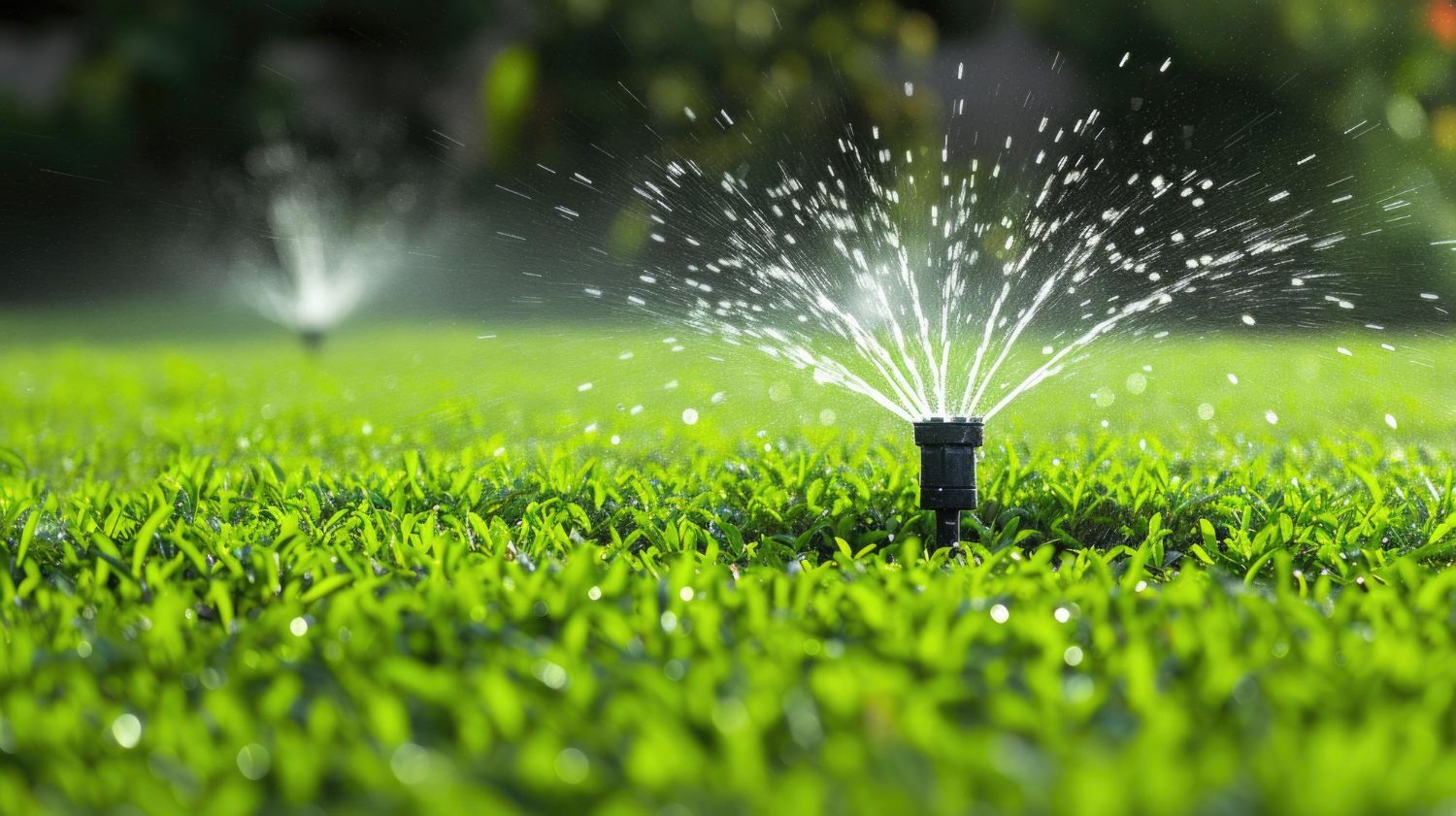
- Overwatering or watering late in the evening leaves the grass canopy damp overnight, creating the perfect breeding ground for fungal spores.
- Mowing the grass too short stresses the plant, weakening its natural immune system and making it highly vulnerable to infection.
- Applying excessive amounts of high-nitrogen fertilizer causes rapid, weak leaf growth that fungi easily attack and consume.
- Allowing heavy thatch to build up at the soil level traps moisture and blocks vital airflow to the root system.
Proactive Prevention and Fungicide Application
The absolute best way to handle turf disease is to prevent it from ever taking root in the first place. Proper lawn maintenance techniques are essential to avoiding growth issues.
Implement these protective measures for your Palmetto sod:
- Perform a soil test to ensure your pH level is neutral to alkaline, and apply a balanced 10-10-10 fertilizer strictly twice a year (spring and fall).
- Adhere to the recommended mowing height of 1.5 to 2.5 inches, cutting no more than one-third of the leaf blade at a time to reduce plant stress.
- Water deeply but infrequently, and always complete your primary watering cycle between 1 p.m. and 5 p.m. to ensure the blades dry before nightfall.
- Implement the regular use of professional fungicides; we highly recommend using Daconil applied monthly as a proactive preventative measure.
Frequently Asked Questions
What does a fungal disease look like in St. Augustine grass?
Common signs include circular yellow or brown patches, rapidly thinning turf, and sometimes visible fungal spores or webbing on the grass blades early in the morning.
If my lawn gets a disease, will it spread to my other plants?
Turf-specific fungal diseases generally only attack the grass. However, the environmental conditions causing the disease (like overwatering) could negatively impact surrounding garden beds.
Can I reverse turf disease once it starts?
Yes, but you must act immediately. Stop watering the affected area to let it dry out, apply a curative dose of fungicide, and rake out the dead material to improve airflow.
Keep your property looking pristine with healthy, disease-resistant turfgrass. If you need expert advice or fresh sod supplies in Georgia, contact the professionals at The Sod Source today.