Preparing Your Georgia Lawn for the Summer Heat with Premium Sod
The transition into the warmer months requires a proactive approach to lawn care, especially in Georgia where the temperatures can soar. Preparing your lawn for the upcoming heat is essential to maintaining a vibrant, green aesthetic throughout the season. Whether you are managing a sprawling commercial property or a cozy residential backyard, understanding how to equip your turfgrass for rising temperatures can save you time, money, and frustration. At The Sod Source, we specialize in providing farm-direct, high-quality sod that is naturally resilient, but even the best turf requires proper seasonal preparation.
Understanding Heat Tolerance in Turfgrass
Different varieties of sod react uniquely to intense sunlight and heat. Varieties like our Palmetto St. Augustine and Tifway 419 Bermuda are specifically cultivated to thrive in warm climates. However, transitioning from the cooler, wetter months into the peak heat requires careful adjustment of your lawn care routine. The goal is to encourage deep root growth early in the season, which allows the grass to access moisture stored deeper in the soil when surface evaporation is high. A shallow root system makes your lawn highly susceptible to drought stress and heat damage.
Essential Steps for Seasonal Soil Preparation
To ensure your lawn is ready to combat the heat, you must start from the ground up. Soil health dictates turf health. Implementing the right preparation strategies ensures your sod remains durable.
Consider these vital preparation steps:
- Clear all accumulated organic debris, such as fallen leaves and dead vegetation, to allow sunlight and water to reach the soil directly.
- Conduct a comprehensive soil test to determine current pH and nutrient levels, ensuring you apply the correct seasonal fertilizers.
- Aerate the soil if it has become compacted over the cooler months, as this allows vital oxygen and moisture to penetrate the root zone effectively.
- Apply a balanced, slow-release fertilizer tailored to your specific grass type to promote steady, resilient growth ahead of the temperature spike.
Optimizing Your Watering Strategy
As the heat increases, your watering habits must evolve. Overwatering can be just as damaging as underwatering, leading to shallow roots and increased disease potential.
Follow these professional watering guidelines:
- Water deeply and infrequently to encourage roots to grow further down into the soil in search of moisture.
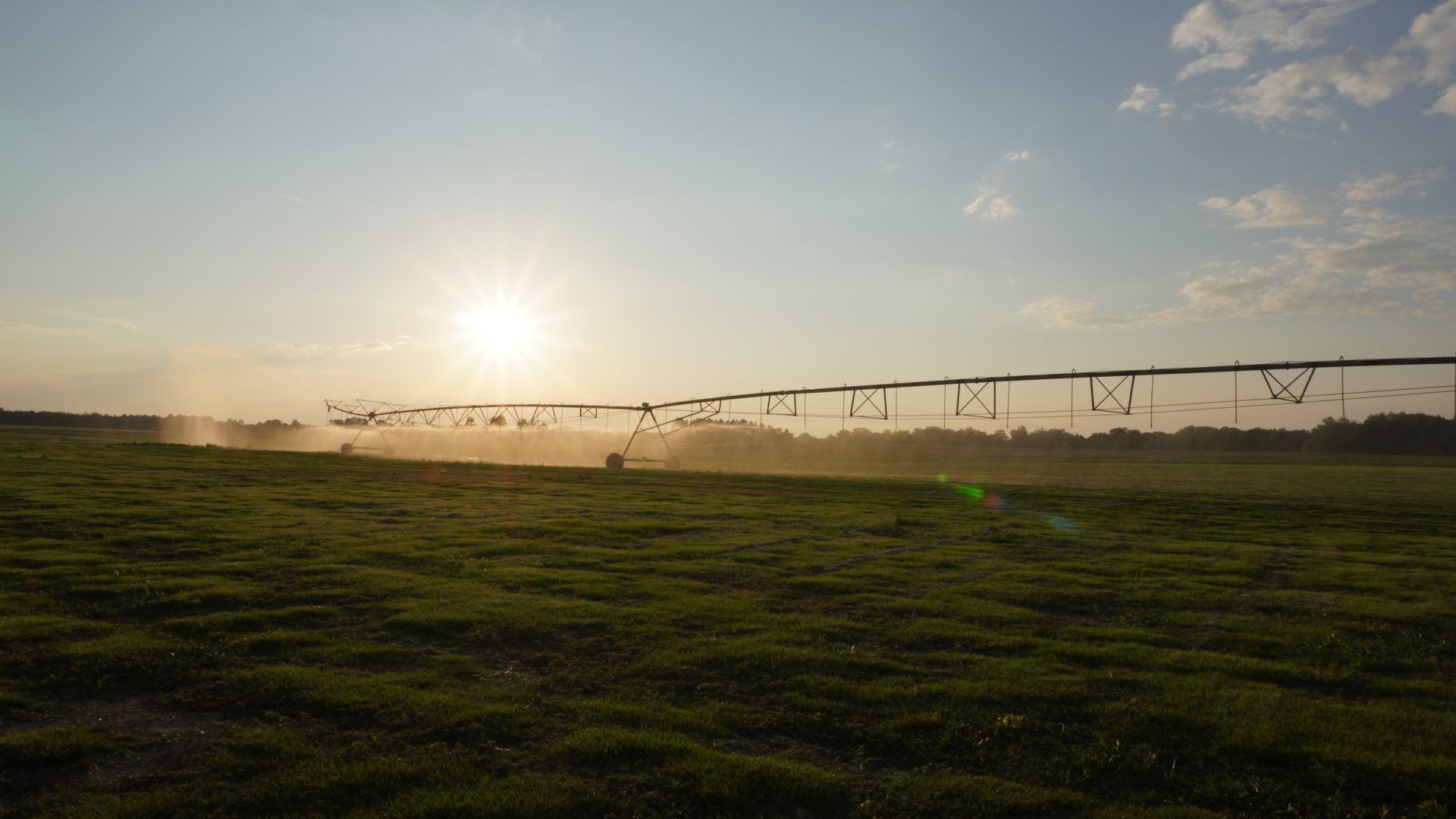
- Schedule your irrigation sessions for the early morning hours to minimize water loss due to daytime evaporation.
- Avoid evening watering, as leaving the grass blades damp overnight significantly increases the risk of fungal diseases.
- Adjust your watering schedule based on natural rainfall, ensuring the lawn receives about one inch of water per week consistently.
Frequently Asked Questions
How do I know if my sod is suffering from heat stress?
Signs of heat stress include the grass blades folding or curling, footprints remaining visible on the lawn long after being walked on, and an overall dull, grayish-blue hue to the turf.
Can I install new sod right before the peak heat arrives?
Yes, sod can be installed practically anywhere and at any time, provided you commit to a rigorous watering schedule during the initial establishment phase to prevent the new roots from drying out.
Which sod variety is the most heat-resistant for Georgia yards?
Tifway 419 Bermuda is renowned for its excellent hot weather tolerance, making it an ideal choice for high-traffic areas exposed to full, intense sunlight throughout the day.
Protect your landscape this season by investing in premium, heat-resilient turf. If you need sod for a project in the state of Georgia, please feel free to call The Sod Source for an estimate or visit us to browse our selection and variety charts.